


The peace of God isn’t meant to end with us. As we receive His shalom, learn an unhurried way of life, and allow His peace to reshape our minds, we can become a non-anxious presence in our relationships and our world. Biblical peacemaking isn’t avoiding conflict—it means moving toward others in the way of Jesus, pursuing forgiveness, reconciliation, understanding, and wholeness wherever possible.
4-Point Message Summary

Peace of Mind
We live in a world constantly competing for our attention, and peace becomes difficult to experience when our minds are filled with anxiety, noise, distraction, and negativity. God invites us to bring our anxieties to Him and allow His peace to guard our hearts and minds while intentionally directing our attention toward what is true, good, and life-giving.

Peaceful Rest
We cannot live as people of peace while constantly living at the pace of hurry. God created us with rhythms of work and rest, and Sabbath teaches us to stop, trust, delight, and recognize that our lives don’t depend on constant productivity. Cultivating peaceful rhythms with our time creates space for us to experience the presence and peace of God.

The God of Peace
Peace begins with God. He is the “God of Peace,” and the peace Jesus gives is fundamentally different from the peace the world offers. Biblical peace—shalom—is more than the absence of conflict; it is wholeness, completeness, and life as God intended it to be. Before we can become people of peace, we must learn to receive our peace from Him.
Our Mission
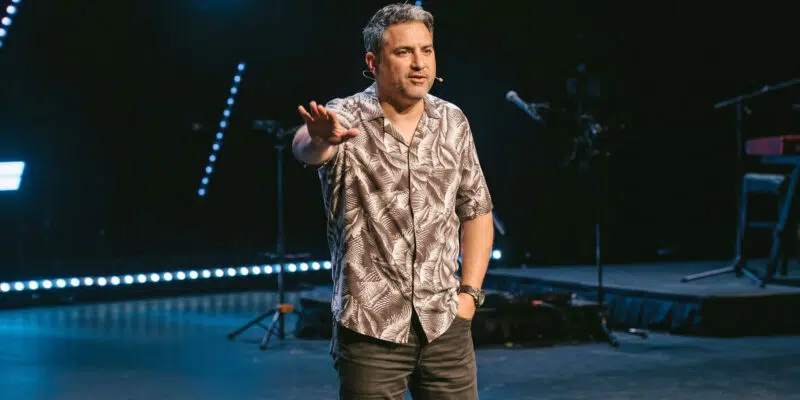
How do we navigate dual citizenship in a polarized world without sacrificing our faith or retreating from our neighbors? In our final week, Our Mission, we look at Luke 10 and Matthew 25 to see how Jesus calls us to fulfill our civic responsibilities while upholding a prophetic kingdom witness. True Christian citizenship goes beyond casting a ballot; it means actively loving our political opponents, advocating for the vulnerable, and stepping into our calling as ambassadors of reconciliation. Come discover how we can stop treating others through worldly categories and start living out concrete mercy in our communities.